Featured
Table of Contents
Having scientific depression is different than just really feeling depressing. To be detected with anxiety, signs and symptoms should be existing for two weeks or even more.

From one person to another the extent and frequency of symptoms will differ, and while some people only experience a few signs, others experience several. Consistent sad, anxious, or "empty" mood Really feeling hopeless Feeling pointless Angry outbursts, irritability, or stress Loss of rate of interest or pleasure in hobbies and activities Assuming nothing deserves trying Believing regarding death, or that life is not worth living Absence of power Moving or chatting slower than common Trouble with concentration, focus, memory, and decision making Feeling uneasy or having trouble resting still Cravings or weight adjustments Trouble sleeping, early-morning awakening, or sleeping a lot a lot more or much less than regular Pains or discomforts, headaches, pains, or digestive problems without a clear physical cause Although clinical depression is just one of the most typical mental conditions in the United States, there is no precise recognized reason for anxiety.
Eye Movement Desensitization Alongside Evidence-Based Approaches
Danger factors for clinical depression include: Inherited traits, individual or family members background of anxiety Environmental factors, like major life adjustments, trauma, or stress and anxiety Psychological elements Specific physical diseases and medications Organic distinctions, brain chemistry, or hormonal agents The most efficient therapy for anxiety is medication and psychiatric therapy. The earlier that depression is treated, the simpler it is to treat.
Speaking with a psychoanalyst, psycho therapist or various other mental health and wellness specialist, can be extremely beneficial for individuals with anxiety. Medicines to treat depression are called antidepressants. There are lots of type of antidepressants that do various things in the brain, like boost exactly how the mind uses particular chemicals, or stabilize your mood.
The Importance of Safety and Trust for Effective Mental Health Treatment
Some examples of antidepressants are: Selective serotonin reuptake inhibitors (SSRIs) Serotonin-norepinephrine reuptake inhibitors (SNRIs) Atypical antidepressants Tricyclic antidepressants Monoamine oxidase preventions (MAOIs) Yes, you can have anxiousness and clinical depression at the exact same time. They are 2 separate and unique psychological wellness problems, they generally happen all at once. Often, somebody can have both an anxiousness disorder and a major depressive condition.
In various other situations, anxiety might create stress and anxiety. Yes, there is a distinction in between anxiety and depression medicine.
Multicultural Responsiveness Central to Mental Health Care in Dubai
Other medicines that can treat anxiousness and clinical depression include tricyclic antidepressants (TCAs), careful norepinephrine reuptake inhibitors (SNRIs), and anti-anxiety medications. Treatment can be a valuable tool for people with anxiousness and anxiety. Cognitive behavior modification (CBT), has actually revealed to be one of one of the most reliable kinds of therapy. For both anxiousness and clinical depression, CBT involves chatting via habits patterns, and aids to educate people with these mental illnesses just how to take care of signs and symptoms.
The bulk of treating anxiousness and clinical depression with treatment is overlapping. Using evidence-based techniques particular to the treatment of mood conditions, like CBT, and constantly talking to a therapist will certainly aid those with anxiousness, clinical depression, or both, make noticeable enhancements.
Processing Social Anxiety Utilizing Evidence-Based Treatment
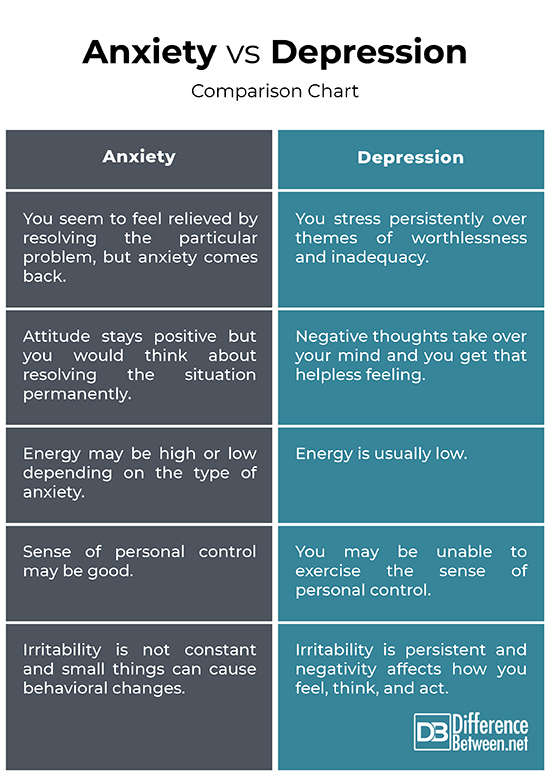
Psychological health and wellness is complicated. While professionals have actually created specific diagnoses for various kinds of disorders, the truth is that several conditions have an excellent bargain of overlap, which can make it relatively tough to separate in between 2 different troubles. Among one of the most common issues that individuals have is trying to discriminate in between anxiousness and anxiety.
While it would certainly be wonderful if there were a fool-proof way of informing you whether you have anxiousness or anxiety, it's not quite that simple. Someone can conveniently have both anxiety and anxiety, and some people may have developed depression signs and symptoms as a result of their anxiety condition. It's a little bit harder than stating "you have anxiousness" or "you have anxiety" due to the fact that it's possible to have mixes of both.
Symptoms of one or the other might bleed right into whichever condition you have, due to the fact that both share similar causes, concerns, etc. The very best means to comprehend the distinction in between the two disorders is with the main symptoms, beginning with the mental signs. Anxiety: Concern over what's about to happen and what might take place in the future.
The Clinical Understanding of Intergenerational Trauma Manifests in Feeling Shut Down
Feeling like you require to run away or prevent things that might trigger additional anxiety. Clinical depression: Feeling of despair about the future, as though it's helpless.
Those with depression usually presume a negative future and don't expect anything else or believe there's anything worth protecting against. Anxiety can occur after somebody experiences stress and anxiety, due to the fact that someone that handles serious stress and anxiety may finish up feeling drained pipes and hopeless when their stress and anxiety or stress and anxiety attack mores than. That's why the 2 conditions can be hard to tell apart.
Physical signs can be very various as well. Though once again, there are similarities. Both anxiousness and anxiety can leave you really feeling drained and tired out. In the case of stress and anxiety, it has a tendency to occur after extreme anxiety, while with depression it often tends to be much more continuous, without always any type of triggers.
Physical signs and symptoms that look like wellness problems, particularly if accompanied with health and wellness worries. Clinical depression: Severe absence of power or drive. Clinical depression in fact tends to have less physical signs, yet the psychological signs can be so dangerous (particularly the potential for self-destructive ideas) and the absence of energy so pronounced that lots of individuals with depression deal with extreme struggles daily that certainly rival the symptoms of anxiousness.

Latest Posts
Defusion Therapy and Mental Health
The Process of With Couples Counseling for Trauma
Complete Clinical Services in Portland, OR